Rural Home Insurance Problems? What You Can Do Next
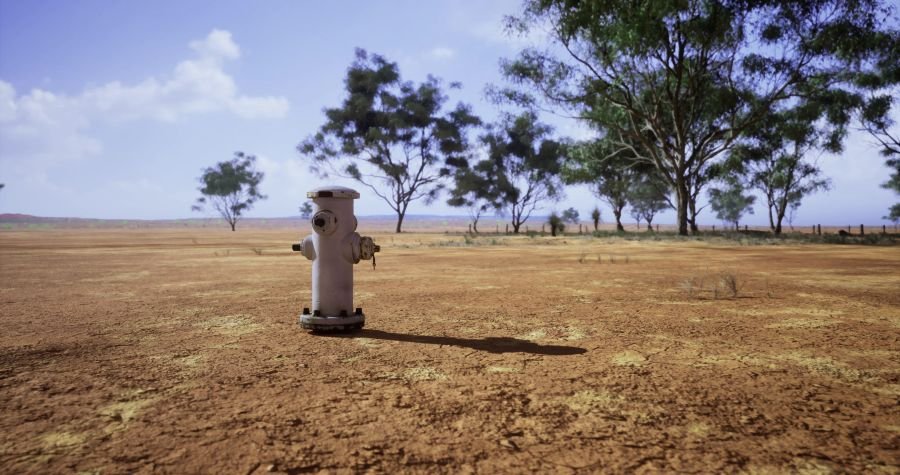
If you are buying, selling, refinancing, or financing a rural home and insurance suddenly became the problem, you may be wondering how distance to a fire hydrant can derail an entire closing.
That is the reality of rural homeowners insurance. A home can be beautiful, peaceful, well maintained, and exactly what the buyer wants. But if the property is far from a fire hydrant, far from a fire station, accessed by a long driveway, or located in an area with limited fire protection, some insurance companies may become cautious.
A rural insurance issue does not always mean the home is uninsurable. It does mean the file may need a careful review of fire protection, access, occupancy, property condition, and lender requirements.
Why Rural Homes Can Be Harder to Insure
Insurance companies often look at how quickly a fire department can respond and whether water is available if there is a fire. In many rural areas, there may be no hydrant nearby, the closest fire station may be several miles away, or the responding department may be volunteer-based.
Other rural factors can also matter, including long driveways, gated access, acreage, outbuildings, wood stoves, brush exposure, older homes, farm use, animals, and whether the property is owner-occupied, seasonal, vacant, or rented.
Why This Often Shows Up Late
Rural insurance problems often show up late because the first quote may not fully review fire protection or access. Later, underwriting may check the address, protection class, hydrant distance, fire station distance, mapping data, photos, or property use.
The buyer may already be picturing quiet mornings and open land. The seller may be ready to move. The realtor may be trying to keep the transaction together. The lender may simply need acceptable insurance before closing.
Rural insurance delaying closing?
Fire Protection Details Can Make or Break the File
If homeowners insurance was declined, changed, or delayed because the home is rural, the next step is to identify the exact concern. Hydrant distance, fire station distance, access, protection class, and property use may all matter.
Get Help With This Insurance ProblemCoverage options depend on underwriting, property details, fire protection, occupancy, lender requirements, and state availability.
How Rural Insurance Can Affect a Home Purchase
If you are buying a rural home with a mortgage, your lender will usually require acceptable homeowners insurance before closing. If the insurance company will not accept the fire protection, access, or property use, the loan may not be able to close until coverage is resolved.
This can be frustrating because the home may be exactly what the buyer wanted. Acreage, privacy, workshops, barns, long driveways, and open land can be part of the appeal. But those same features can make insurance more complicated.
How Rural Insurance Can Affect a Sale
Sellers may be surprised when the buyer struggles to insure a rural property. The seller may already have insurance and assume the buyer can get the same kind of coverage. But a new policy, new underwriting review, and new lender may produce a different answer.
How Rural Insurance Can Affect a Refinance or HELOC
Rural homeowners can also run into insurance problems when refinancing or applying for a HELOC. A lender may require current acceptable homeowners insurance before funding. If the current policy is no longer available, nonrenewed, or not acceptable under the lender's guidelines, the financing can pause.
Refinance or HELOC stuck on rural insurance?
Distance, Access, and Fire Protection Need Context
If the lender needs insurance before moving forward, and rural fire protection is the problem, the file may need a specialist review with hydrant distance, fire station distance, occupancy, access, and property details clearly explained.
Start a Closing Save RequestClosing Save connects customers and real estate professionals with insurance specialists. Coverage is not guaranteed and is subject to underwriting.
What Can Be Done Now?
The first step is to identify what the carrier is reacting to. Rural home is too broad. The useful questions are more specific.
- How far is the home from the nearest fire hydrant?
- How far is the home from the responding fire station?
- Is the fire department paid, volunteer, or mixed?
- Is there a pond, water tank, or other water source?
- Is the driveway accessible for emergency vehicles?
- Are there outbuildings, farm use, animals, or business activity?
- What does the lender require?
Document Fire Protection
Helpful information may include hydrant distance, fire station distance, fire department name, protection class if known, driveway access details, gate codes, road conditions, and any water source on or near the property.
Clarify Property Use
A rural primary residence may be reviewed differently than a farm, rental, vacant property, seasonal cabin, hobby farm, or property with business activity.
Review Specialty or Rural-Friendly Markets
Not every insurance company evaluates rural homes the same way. Some may decline quickly because of fire protection. Others may review distance, access, construction, occupancy, protection class, and documentation.
Confirm Lender Acceptability Before Binding
A policy that exists but does not satisfy the lender may not solve the closing, refinance, or HELOC problem. Deductibles, coverage limits, exclusions, mortgagee clauses, and policy type may all matter.
What to Gather Before Asking for Help
- Property address
- Closing date, refinance deadline, or HELOC deadline
- Distance to nearest hydrant, if known
- Distance to fire station, if known
- Name of responding fire department
- Photos of home, driveway, and outbuildings
- Occupancy and property use details
- Lender insurance requirements
Do Not Assume the Deal Is Over
Rural insurance problems can feel strange because the issue is often distance, not neglect. The home may be exactly what the buyer wants and still need a more careful insurance review.
If your purchase, sale, refinance, HELOC, or home equity loan is being delayed because of rural fire protection, getting the file reviewed quickly may help identify options that a standard quote process missed.
Related Insurance Problems
Frequently Asked Questions
Can a rural home be denied homeowners insurance?
Yes, some rural homes can be declined or require additional review because of hydrant distance, fire station distance, access, occupancy, outbuildings, or property use.
Does distance to a fire hydrant matter?
Yes, hydrant distance can matter because it affects how some insurance companies evaluate fire protection.
Can a rural insurance issue stop a home closing?
Yes. If the lender requires acceptable homeowners insurance and the policy is unavailable or not lender-acceptable, the closing may be delayed until coverage is resolved.
Can rural insurance affect a refinance or HELOC?
Yes. A lender may require acceptable homeowners insurance before funding a refinance, HELOC, or home equity loan.
What documents help with rural home insurance?
Helpful information may include fire station distance, hydrant distance, fire department name, driveway photos, home photos, outbuilding details, occupancy information, and lender requirements.
What should I do if insurance is denied because the home is rural?
Ask for the exact reason coverage was declined or changed. Then gather fire protection details, property photos, occupancy information, and lender requirements.
Need Insurance Help Before a Closing, Refinance, or HELOC Falls Apart?
If rural fire protection is creating a last-minute problem, you do not need another generic quote. You need the situation reviewed quickly by someone who understands hard-to-place homeowners insurance.
Start a Closing Save Request