Older Home Insurance Problems? What You Can Do Next
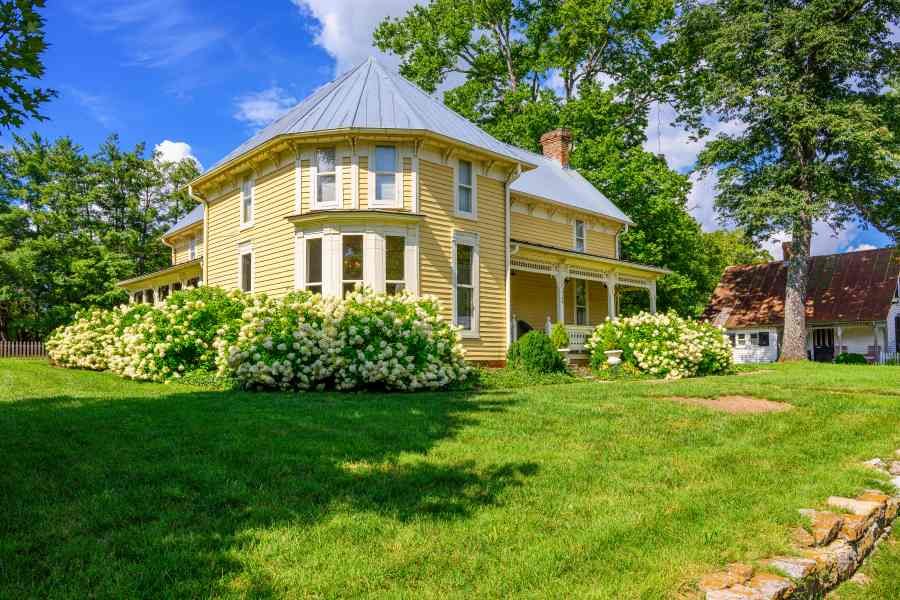
If you are dealing with an insurance problem because a home is older, you may be confused. The home might be beautiful, clean, carefully maintained, and full of character. It may have stood through decades of weather, birthdays, renovations, and family dinners without making much fuss.
Then the insurance company asks about the electrical panel, wiring, plumbing, roof, heat source, updates, or age of the home, and suddenly the entire purchase, sale, refinance, or HELOC feels less certain.
This is one of those moments where everyone sees the property differently. The buyer sees charm. The seller sees years of care. The realtor sees a deal that is almost there. The lender sees one requirement that still has to be satisfied. The insurance underwriter sees older systems that may need more information before coverage can be considered.
That does not mean the home is a bad home. It means the insurance placement may need more detail than a standard quick quote can handle.
An older home does not automatically mean the property is uninsurable. It does mean updates, condition, occupancy, documentation, and lender requirements may matter more than they would on a newer home.
Why Older Homes Can Create Insurance Problems
Insurance companies often review older homes more carefully because older systems can create higher uncertainty. That is true even when the home is attractive and well cared for.
The most common questions are usually about electrical, plumbing, heating, roof age, structural updates, prior losses, and whether major systems have been modernized. A carrier may want to know if the home has older wiring, older plumbing, an outdated electrical panel, an aging roof, or a heat source that does not fit its guidelines.
Some names can make underwriting pay closer attention, including knob-and-tube wiring, aluminum branch wiring, Federal Pacific panels, Zinsco panels, galvanized plumbing, old oil tanks, space heaters, or older fireplaces. Not every older home has these issues, and not every carrier treats them the same way. But if one of those items appears in an inspection report, the insurance conversation can change quickly.
The hard part is that these concerns often sound technical. The emotional part is much simpler: “Are we still going to close?”
Why This Often Shows Up Late
Many buyers get an insurance quote early and assume the policy is handled. Then a final review, inspection report, or lender request brings up an older-home concern days before closing.
This can happen because an initial quote may not include every underwriting detail. Later, a carrier may review the year built, inspection comments, photos, roof age, electrical notes, plumbing details, or prior renovation history. When that deeper review happens late, it can feel like the rules changed at the worst possible time.
The realtor may be thinking, “Please do not let this charming house become the one that insurance kills.” The buyer may be thinking, “Where are we supposed to go if we do not close?” The seller may be thinking, “This house has been fine for years, why is it suddenly a problem?”
All of those reactions make sense. But the useful next step is not panic. It is getting the right information in front of the right insurance specialist quickly.
Insurance denied because of an older home?
Do Not Let One Inspection Note Stop the Whole File
If homeowners insurance was declined, delayed, or changed because of older wiring, plumbing, roof age, heat, or system updates, the next step is to understand the exact underwriting concern and review options quickly.
Get Help With This Insurance ProblemCoverage options depend on underwriting, property details, system updates, lender requirements, and state availability.
How Older Home Issues Can Affect a Home Purchase
If you are buying an older home with a mortgage, your lender will usually require acceptable homeowners insurance before closing. If the insurance company has concerns about older systems, the loan may not be able to close until those concerns are addressed.
This can be frustrating because the buyer may have chosen the home partly because of its age and character. Older homes can have craftsmanship, location, layout, and personality that newer homes cannot always copy. But insurance companies do not fall in love with crown molding. They look at risk details.
That is why a buyer may need to gather more information about updates, repairs, inspections, and current condition before replacement coverage can be reviewed.
How Older Home Issues Can Affect a Sale
Sellers can also feel blindsided. They may have maintained the home for years, carried insurance without much trouble, and assumed the buyer would be able to do the same.
Then a new insurance company asks for proof of updates or flags something in the inspection report.
The seller may not have every invoice from every repair. The electrical panel may have been updated before they bought the home. The plumbing may be partially modernized. The roof may have years left, but the installation paperwork may be missing.
That is where documentation matters. Even photos, inspection notes, contractor letters, permit history, and repair receipts can help explain the story of the home.
How Older Homes Can Affect a Refinance or HELOC
Older homeowners often discover insurance problems when they are not trying to move at all. They may be trying to refinance, open a HELOC, or use home equity to make improvements.
The home may be paid off or close to paid off. The homeowner may have decades of equity. Then the bank asks for acceptable homeowners insurance, and the insurance review raises questions about the age of the home, roof, electrical, plumbing, or heating system.
This can feel deeply unfair. The homeowner may be trying to get financing specifically to make updates. The lender needs insurance before approving the loan. The insurance company wants more information or improvements before writing coverage.
That is the financing version of the same closing problem: insurance becomes the one piece holding up the next step.
Refinance or HELOC stuck on older-home insurance?
The Right Documentation Can Matter
If the lender needs insurance before moving forward, and insurance wants more information about older systems, a specialist review may help identify what documentation is useful and what markets may consider the property.
Start a Closing Save RequestClosing Save connects customers and real estate professionals with insurance specialists. Coverage is not guaranteed and is subject to underwriting.
What Can Be Done Now?
The first step is to identify what the insurance company is actually concerned about. “Older home” is too broad. The useful questions are more specific.
- Is the concern electrical, plumbing, roof, heat, occupancy, prior claims, or something else?
- Was the home declined, or did the carrier request more information?
- Are there updates to the electrical, plumbing, HVAC, or roof?
- Are there inspection comments that need explanation?
- Does the lender have specific insurance requirements?
- Is the home owner-occupied, vacant, rented, or under renovation?
Once the actual issue is clear, an insurance specialist can review possible options more intelligently.
Document Major Updates
Documentation is especially useful on older homes. Helpful records may include electrical invoices, plumbing invoices, HVAC records, roof replacement receipts, permit information, inspection reports, photos, contractor letters, or proof that outdated systems have been replaced or repaired.
The goal is to show the current condition of the home, not just the year it was built.
Clarify Inspection Report Language
Inspection reports can be helpful, but they can also create confusion. A phrase like “older panel observed” or “visible galvanized piping” may trigger additional underwriting questions.
If repairs were made after inspection, or if a licensed contractor can clarify what is present, that documentation may help the file.
Review Specialty or High-Risk Markets
Not every insurance company evaluates older homes the same way. Some may have strict age cutoffs or system restrictions. Others may consider updates, condition, location, occupancy, and documentation.
A high-risk homeowners insurance specialist may know which markets are more likely to review the full picture instead of rejecting the file based only on the year built.
Confirm Lender Acceptability Before Binding
This is important. A policy can exist and still not satisfy the lender. Deductibles, coverage form, dwelling amount, exclusions, effective dates, and mortgagee clauses may all matter.
Before binding, the policy structure should be checked against the lender's requirements whenever financing is involved.
What to Gather Before Asking for Help
- Property address
- Closing date, refinance deadline, or HELOC deadline
- Year built
- Inspection report, if available
- Electrical, plumbing, HVAC, and roof update information
- Photos of major systems, if available
- Repair receipts or contractor documentation
- Lender insurance requirements
- Any current quote, denial, or underwriting request
Do Not Assume the Home Is the Problem
When an older home creates an insurance issue, it can feel personal. Buyers worry they picked the wrong house. Sellers feel like years of good maintenance are being ignored. Homeowners feel trapped when they need financing to make updates.
But the home is not always the problem. Sometimes the problem is that the home needs a more careful insurance review than a standard quote process provides.
If your purchase, sale, refinance, HELOC, or home equity loan is being delayed because of older-home insurance concerns, getting the file reviewed quickly may help identify options that a basic quote process missed.
Closing Save helps connect homeowners, buyers, realtors, lenders, and closing professionals with insurance specialists who understand hard-to-place homeowners insurance situations. Coverage availability depends on the property, updates, condition, underwriting guidelines, lender requirements, and state-specific options.
Related Insurance Problems
If older-home concerns are not the only issue affecting your transaction, you may also need help with related insurance problems.
Frequently Asked Questions
Can an older home be denied homeowners insurance?
Yes, some older homes can be declined or require additional review because of electrical, plumbing, roof, heating, prior claims, occupancy, or condition concerns. Other insurance markets may review the situation differently.
Does an older home have to be fully updated to get insurance?
Not always. It depends on the carrier, state, property condition, lender requirements, and the specific systems involved. Documentation of updates can make a major difference.
Can older electrical or plumbing stop a closing?
Yes, if the insurance company declines coverage or the lender will not accept the policy terms. Electrical and plumbing concerns are common reasons older homes receive additional underwriting review.
Can I refinance or get a HELOC on an older home with insurance issues?
Possibly. Many lenders require acceptable homeowners insurance before funding. If insurance is the blocker, the file may need documentation and review by a specialist familiar with hard-to-place homes.
What documents help with older home insurance?
Helpful documents may include inspection reports, photos, electrical invoices, plumbing invoices, HVAC records, roof receipts, permit information, contractor letters, and lender insurance requirements.
What should I do if insurance is denied because the home is older?
Ask for the exact reason coverage was declined or delayed. Then gather update records, inspection information, photos, and lender requirements. The next step is to have the file reviewed by someone familiar with high-risk or hard-to-place homeowners insurance.
Need Insurance Help Before a Closing, Refinance, or HELOC Falls Apart?
If an older home is creating a last-minute problem, you do not need another generic quote. You need the situation reviewed quickly by someone who understands hard-to-place homeowners insurance.
Start a Closing Save Request